Journal · printing
Cold Press or Luster — which paper is yours?
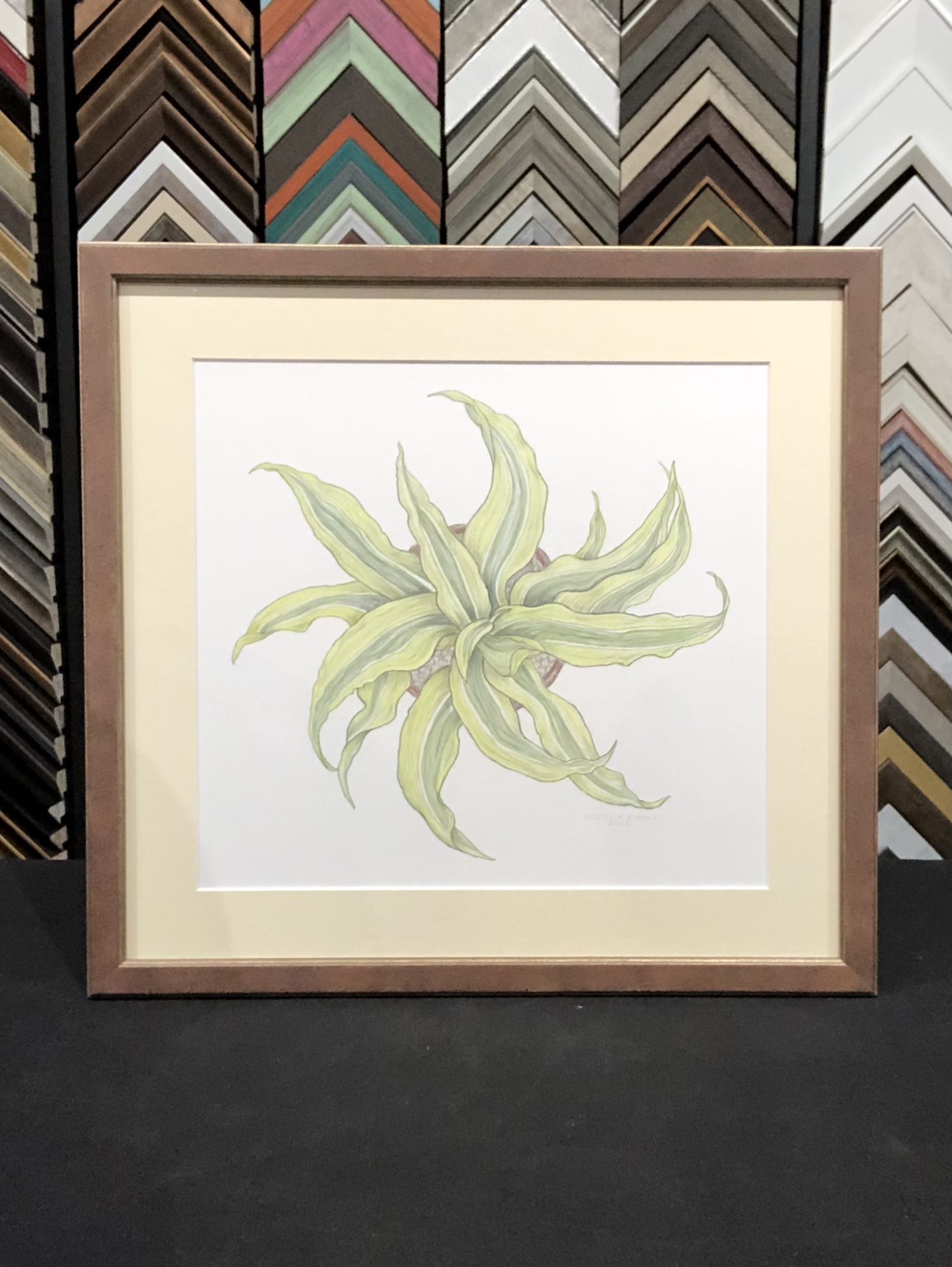
Same printers. Same pigment inks. Two completely different feelings in the hand. This is the choice that stops people at the counter more than DPI.
Art paper or photo paper. Both are right for different jobs.
Epson Cold Press Natural
100% cotton, acid-free, cold-press texture — natural (eggshell) white with a watercolor-paper tooth. Matte, soft, tactile. Color sinks into the fiber instead of sitting on a plastic sheen. Best when the print should feel like art: landscapes, illustrations, editions, anything that wants a handmade quiet.
Epson Premium Luster
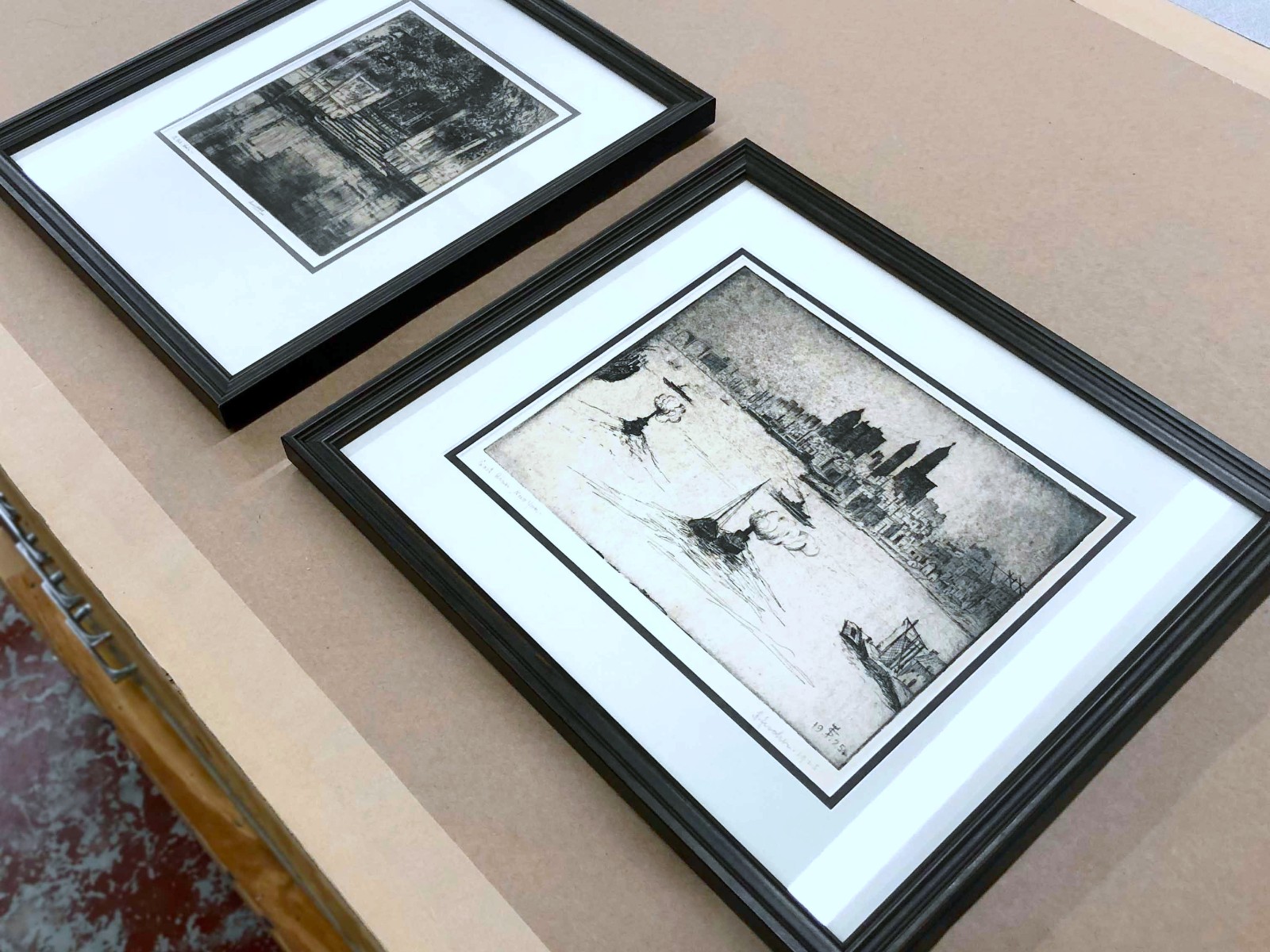
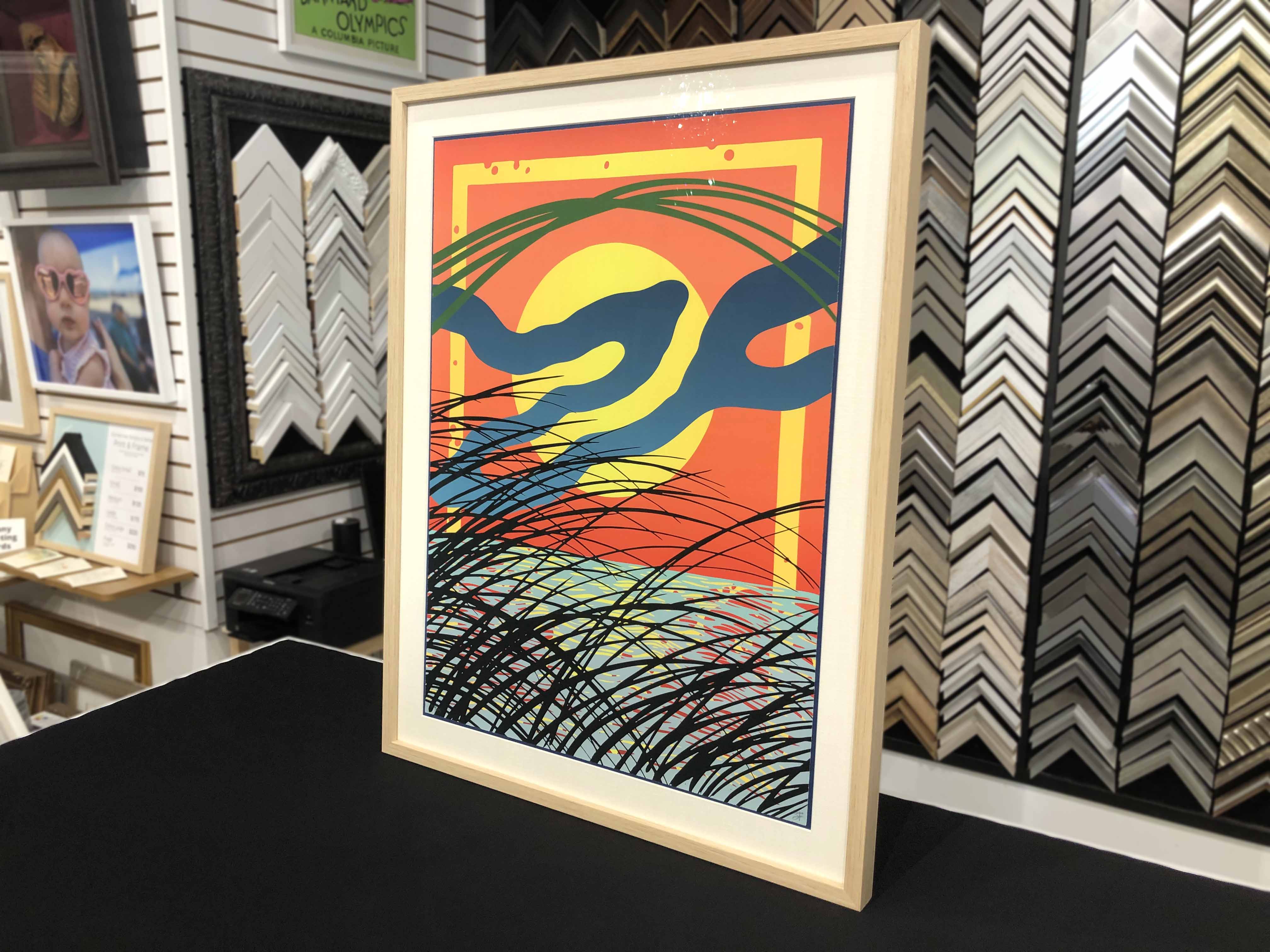
Classic photographic E-surface — soft semi-gloss, deep blacks, punchy color, less mirror than high gloss. Fingerprints wipe; glare is manageable under glass. Best when the print should feel like a photograph: portraits, weddings, product, anything that lived as a camera file first.
| Cold Press Natural | Premium Luster | |
|---|---|---|
| Surface | Textured matte cotton | Smooth photo luster |
| Mood | Gallery / fine art | Photo lab / portrait |
| Glare | Almost none | Soft sheen |
| Framing | Loves a mat + museum or conservation glass | Same — the sheen still wants good glass in Florida light |
What we print them on
Aqueous fine-art inkjet — pigment inks on roll media, color-managed to the sheet. That's the giclée path. Not the same machine as our UV flatbed (plexi, wood, aluminum) or dye-sub metal. Paper and canvas share this room; rigid materials live next door. Prices for paper and canvas run about $23/sq ft ($40 minimum) — Ask the bench can price a size, or upload in the designer.
After the print
Paper wants a frame: mat (or float for a deckled edge), glazing, sealed back. Canvas is a different product — see canvas print vs wrap vs floater. File worries? DPI guide.
Ways in
Print & frame a file · Printing FAQ · Ask a framer · trade editions: trade.
Art paper or photo paper — not better or worse.
Pick the feeling. We'll match the sheet.
Upload and price a print