Journal · conservation
Glass or plexi - which one belongs on that wall?
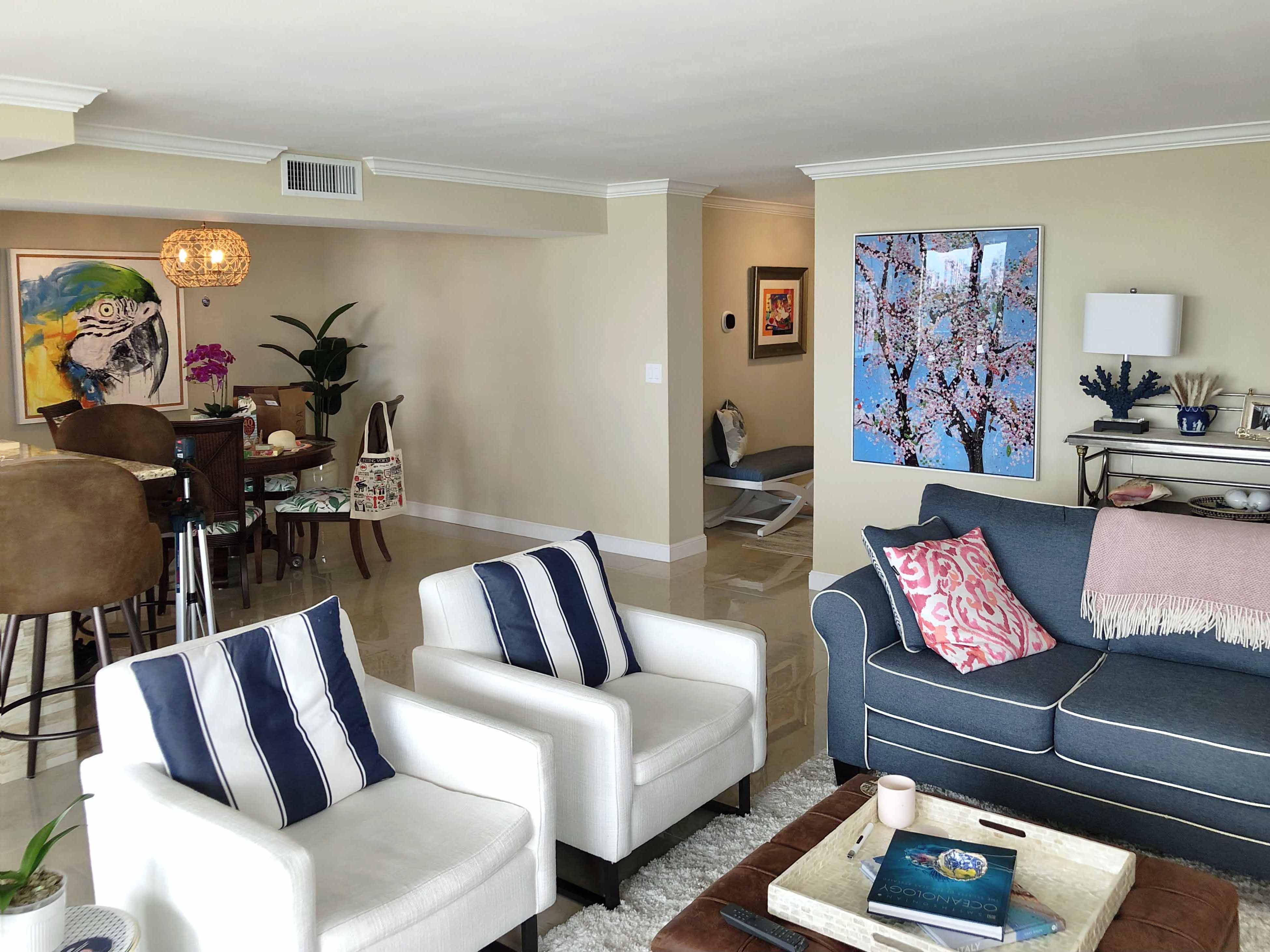
Somebody stands in front of a dark painting and mostly sees themselves. Somebody else is packing a crate for a move across town and keeps imagining glass on tile. Somebody's kid plays soccer in the hallway under a piece that took six weeks to finish.
The wall tells you what it needs.
Those are three different walls. They do not want the same pane.
The piece that has to travel
When art leaves the shop in a box, glass becomes a liability. One bad drop and you are not replacing a pane. You are explaining a shard line across something someone loved.
Plexi is the quieter choice for shipping, moving, and any room where a shatter is not a hypothetical. It weighs less on the wall too, which matters once the frame gets large enough that the hang hardware starts arguing with the drywall.
The wall that throws light back at you
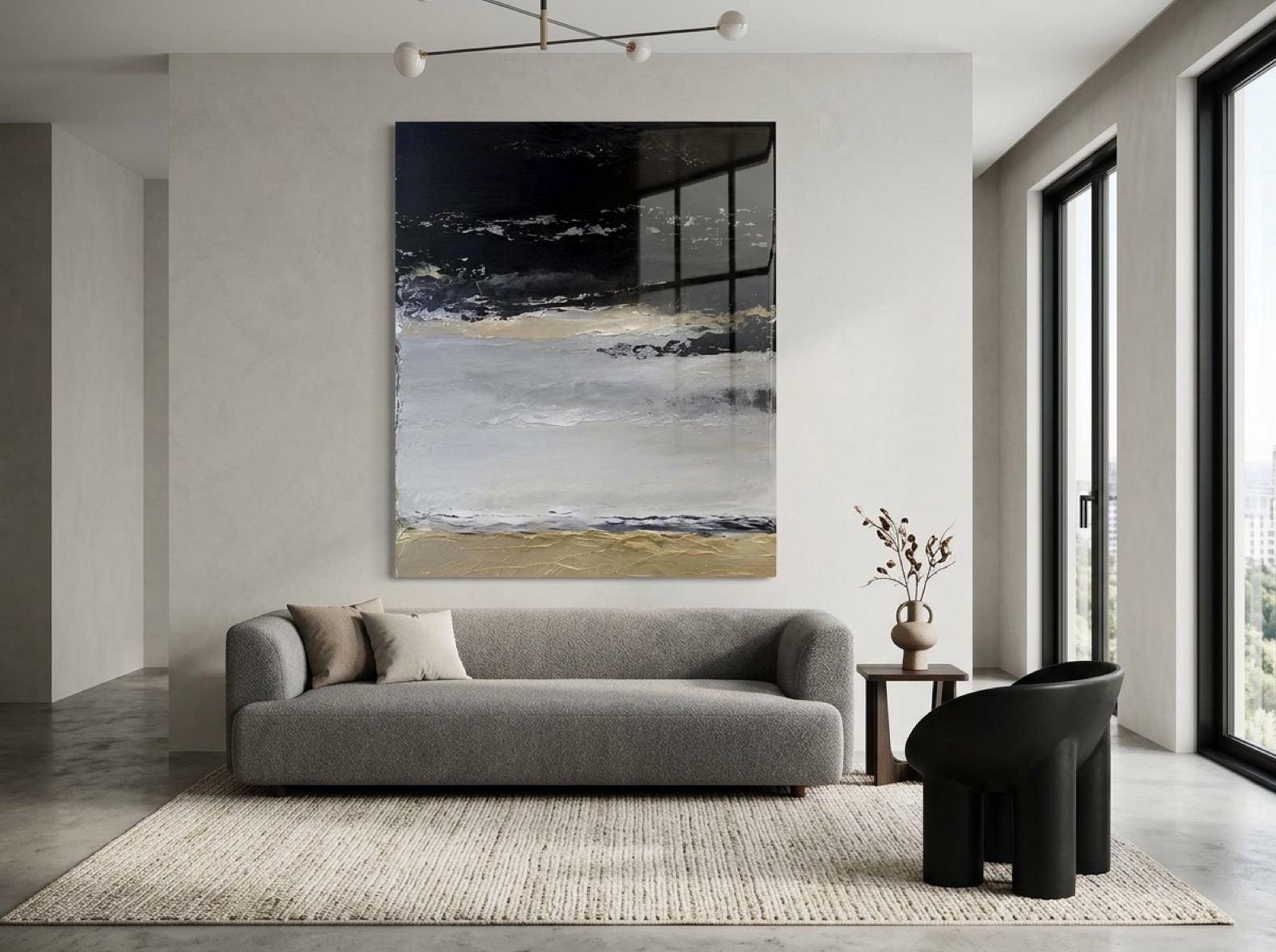
South Florida windows do not ask permission. Stand a dark photograph opposite one and ordinary clear glass turns into a mirror. The art is still there. You just cannot see it past your own reflection.
That is when we stop talking about “glass or plexi” as a brand fight and start talking about what the pane does. Conservation glass still protects from UV and still reflects. Museum glass (and museum plexi on the acrylic side) is the nearly invisible call - same UV story, less of you in the way.
AR70 is the middle path when you want the pane to quiet down but full conservation is not the point of the piece.
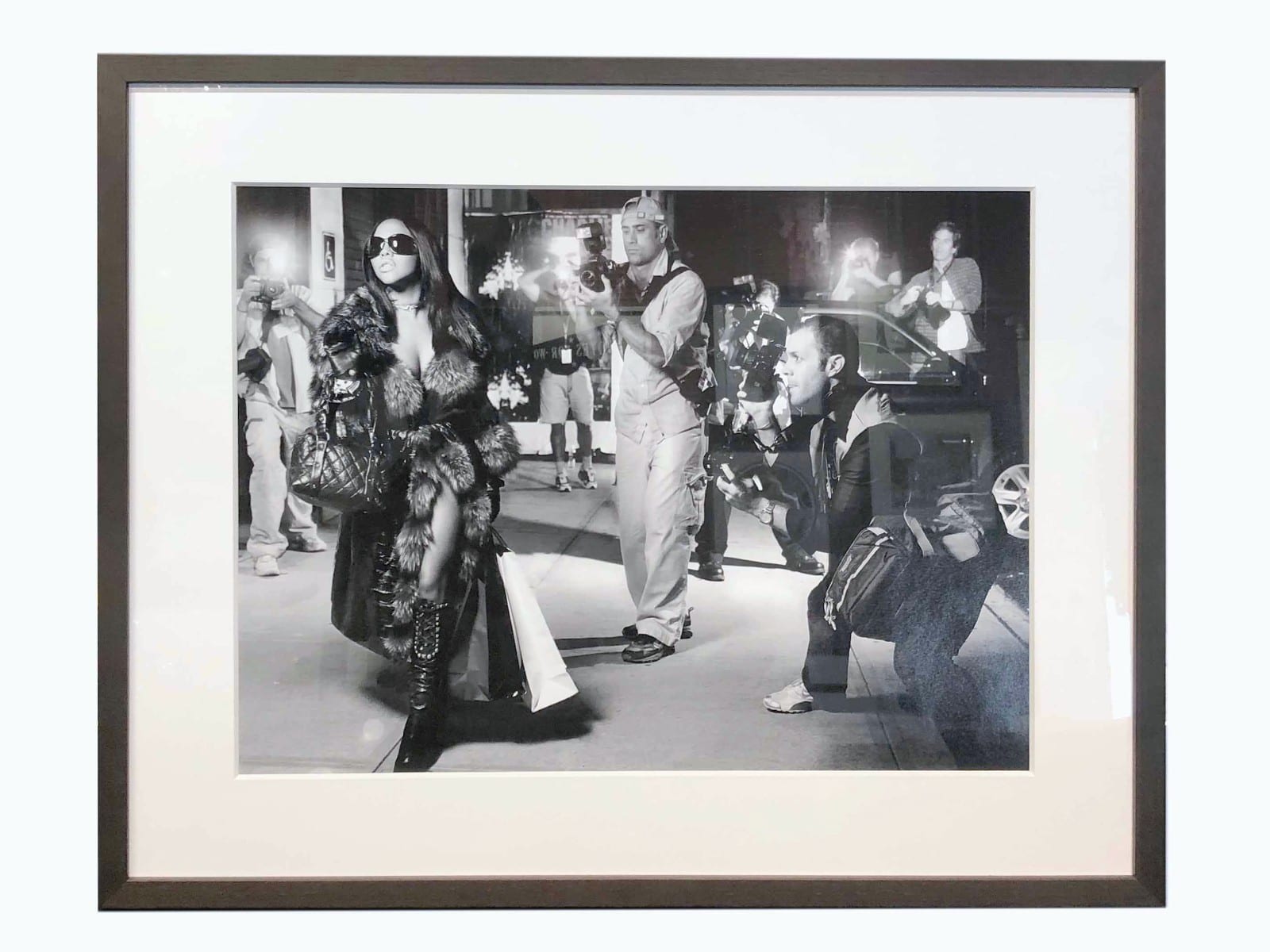
The calm room, the small piece
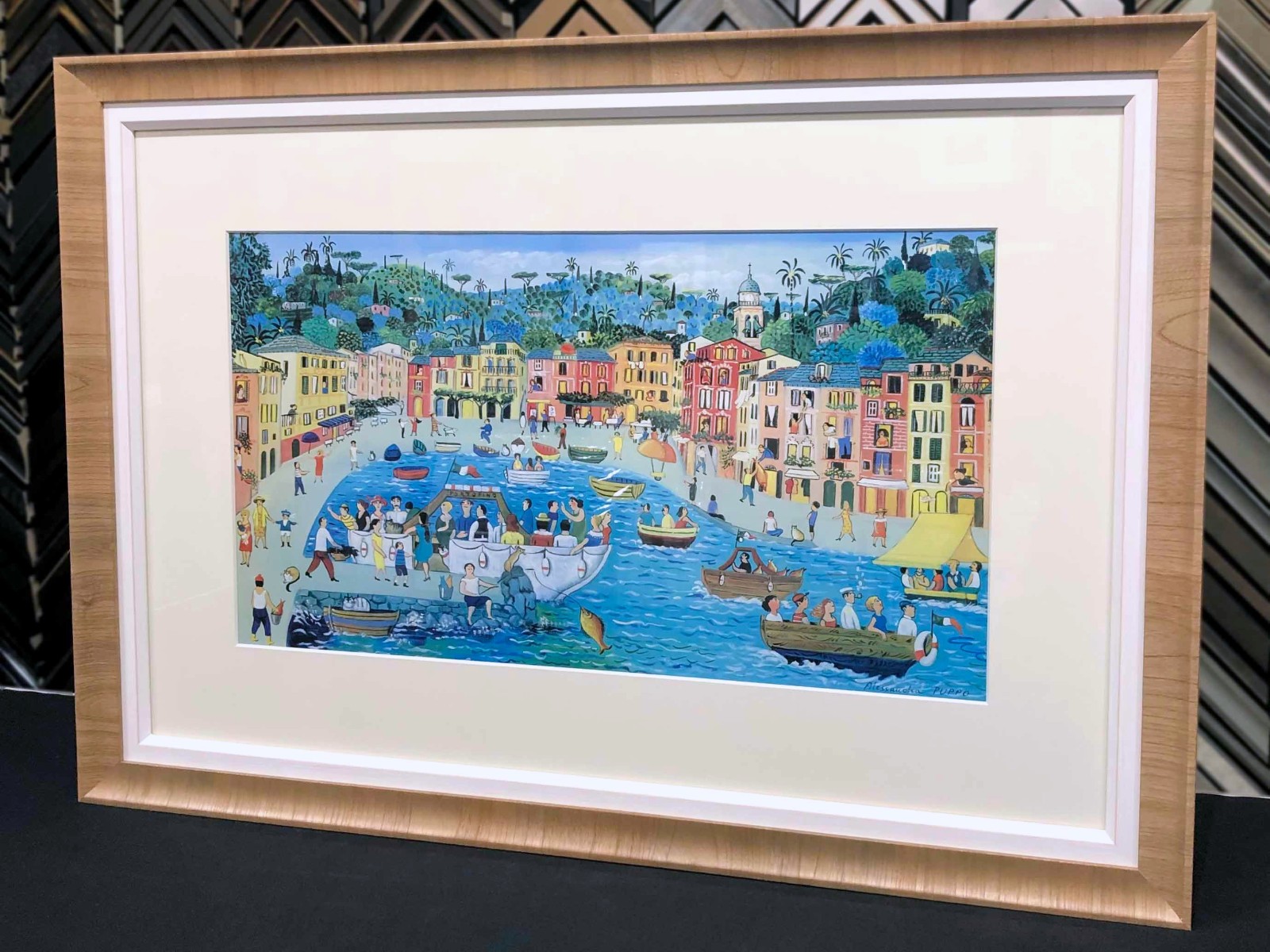
Not everything needs to leave the shop in plexi. A diploma over a desk. A modest print in a quiet bedroom. Glass still wins a lot of those: familiar, harder to scratch day to day, and plenty protective when the room is calm and the piece stays put.
Pastels and other friable media are a separate conversation. Static on plastics can matter. We will tell you when museum plexi’s anti-static build is the safer stack.
When it is not “glazing” at all
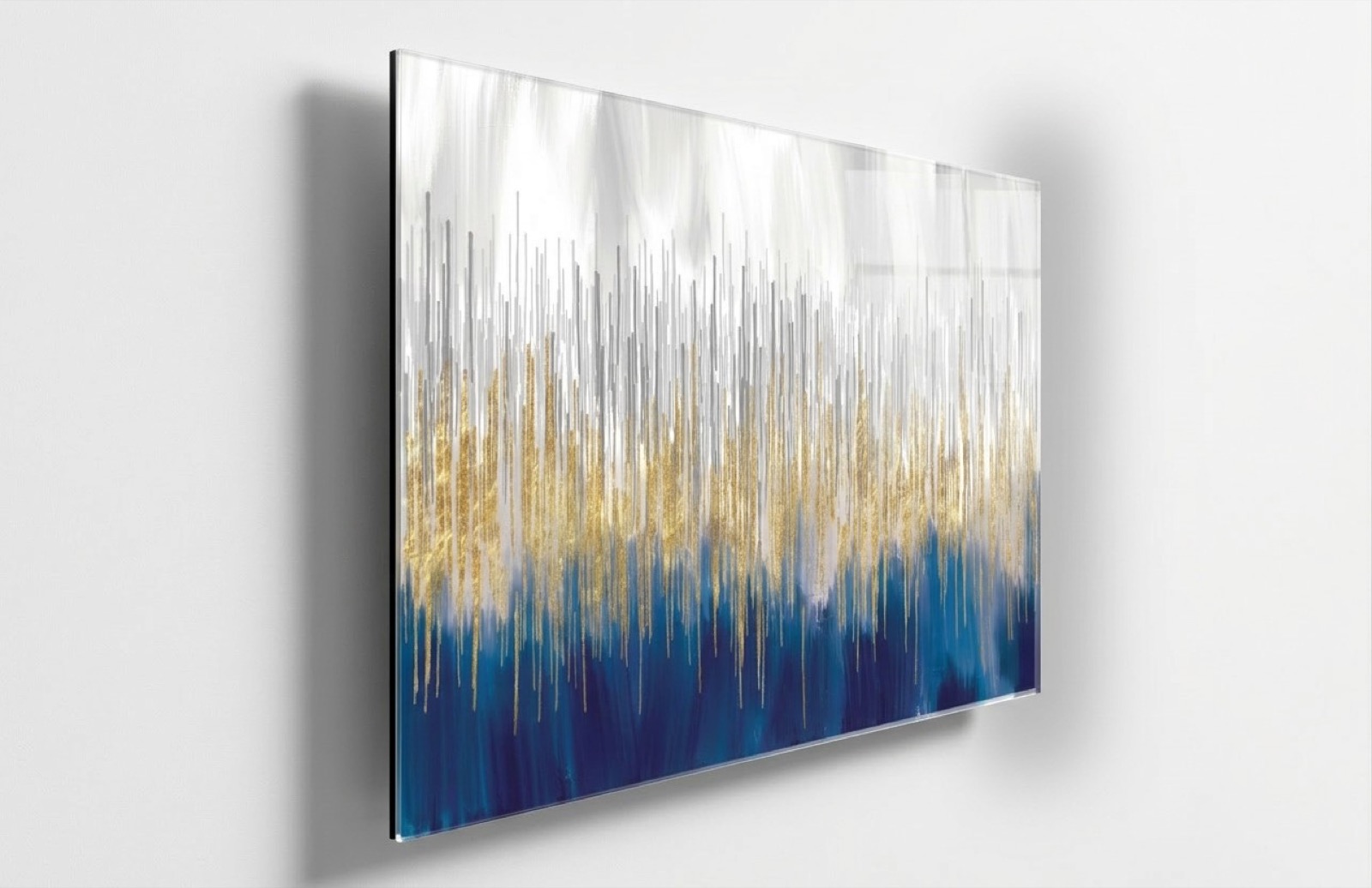
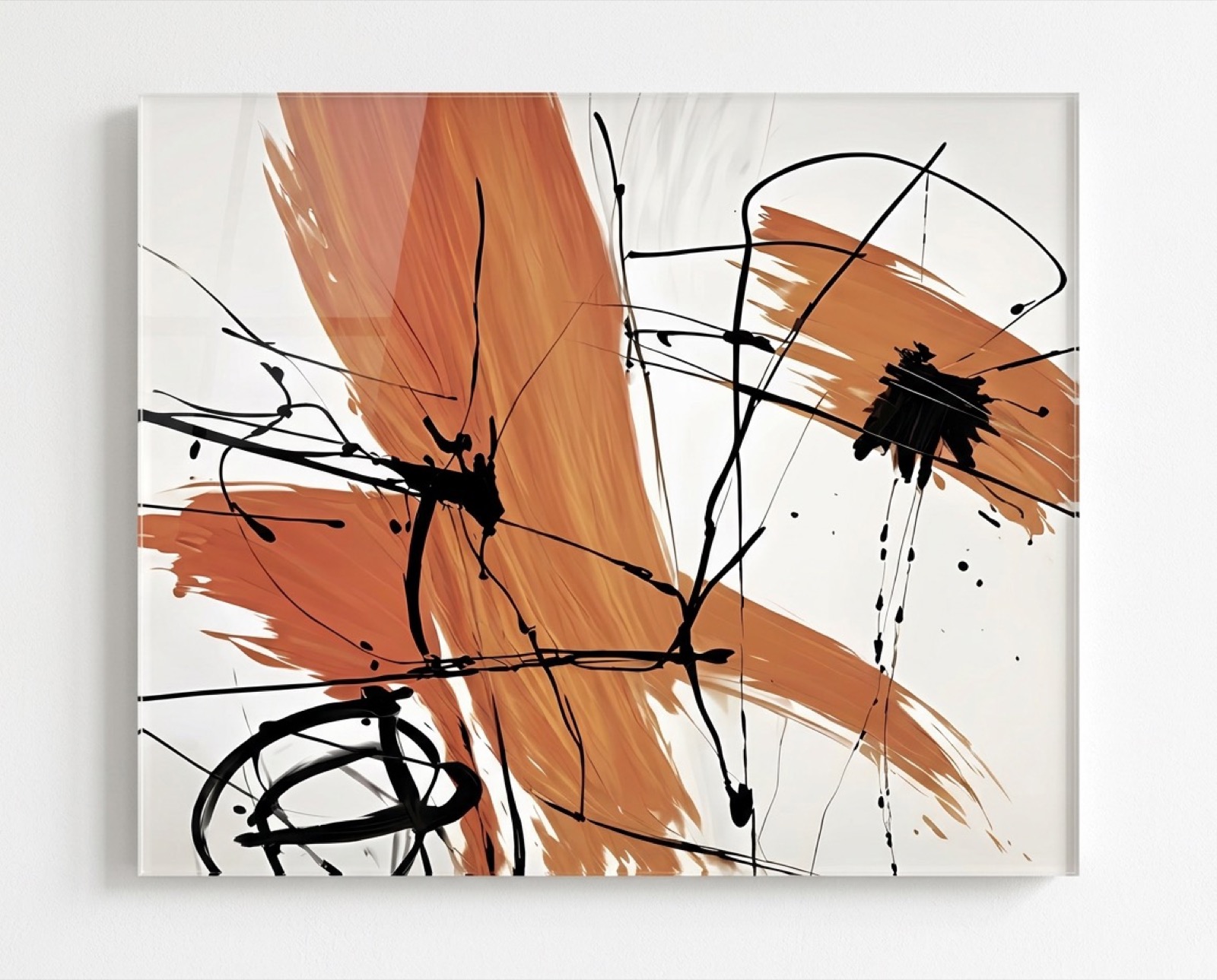
Sometimes the print is the surface. Face-mount - what we build with TruLife acrylic - bonds the image to the sheet. No mat. No traditional glazing sandwich. That wet gallery look people point at in modern rooms.
Different job from a watercolor under museum plexi. Same family of material. Say “face-mount” if that is what you want, and we will build it that way.
Ways in
Compare options on your art · Glass FAQ · Ask a framer · Shipping a framed piece.
The wall decides before the brochure does.
Glass for calm, small work that stays put. Plexi when the piece is big, travels, or cannot risk shatter. Museum when the room keeps throwing your face back at you.
See it on your photo