Journal · conservation
Museum glass, conservation glass, or AR70 — what actually matters.
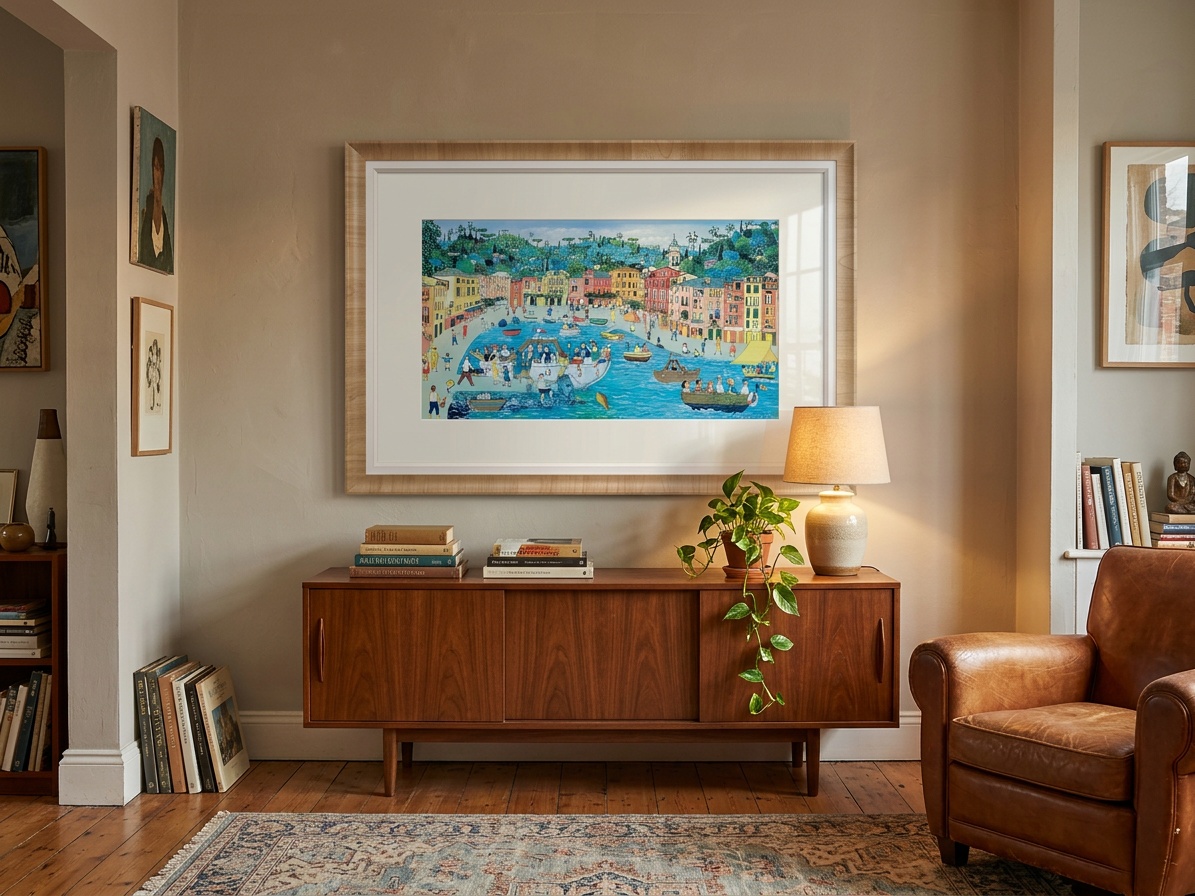
Glazing is the least visible decision in a custom frame and the one that most decides how the piece looks in ten years. We stock a short list — named by what each one does, not by a catalog brand.
See the art, not your own reflection.
The options we actually put on the wall
| What we call it | UV | Reflections | Best for |
|---|---|---|---|
| Conservation glass Clear glass, ~99% UV | ~99% | Full — you still see the room | Most real framing: diplomas, prints, photos |
| Matte non-glare UV glass ~99% UV, etched face | ~99% | Cut — soft, matte look | Bright rooms when you want less bounce and can live with softer detail |
| Museum glass ~99% UV + anti-reflective | ~99% | Nearly gone — glass almost disappears | Art you love, dark pieces, anything opposite a window |
| Anti-Reflective UV 70 glass (AR70 after this) Anti-reflective, ~70% UV | ~70% | Nearly gone | When you want museum-clear viewing but the piece is replaceable or light is gentle |
| Museum plexi ~99% UV + anti-reflective acrylic | ~99% | Nearly gone | Oversize, shipping, kids' rooms, high traffic — museum look without the weight or shatter |
Conservation-grade plexi (~99% UV, clear, still reflective) and matte non-glare UV plexi sit in the same family when glass weight or shatter risk is the problem but you don't need the full museum coating. We pick those at the counter from size and hang location.
Don't confuse the three “clear” upgrades
- Conservation = UV first. Reflections stay. The sensible Florida default.
- AR70 = anti-reflective first, with partial UV (~70%). Crystal viewing without full conservation.
- Museum glass / museum plexi = both: ~99% UV and anti-reflective. The upgrade people actually notice.
Matte non-glare UV is a fourth path: it kills bounce by etching the surface. Detail softens a little — fine for some posters and bright offices, not what you want on a sharp photograph you inspect up close. Museum coatings kill reflections without that haze.
Florida makes this decision for you
South Florida light fades dye, yellows paper, and dulls signatures — even when the sun never sits on the frame. Conservation or museum glazing blocks about 99% of UV. AR70 helps with glare and still blocks a meaningful share of UV, but it is not the full conservation story. Nothing rated for a wall survives all-day direct sun; placement is part of conservation too — see Florida art care and our hanging guide.
When museum glass (or museum plexi) earns it
Stand in front of a dark painting behind ordinary clear glass and you mostly see yourself. Behind museum glass, the pane disappears — that's the whole trick. Signed, original, sentimental, or opposite a window: museum. Cheerful hallway print: conservation, and spend the difference on the moulding. Going big or shipping: ask for museum plexi — same job, lighter, won't shatter.
TruLife acrylic — different job
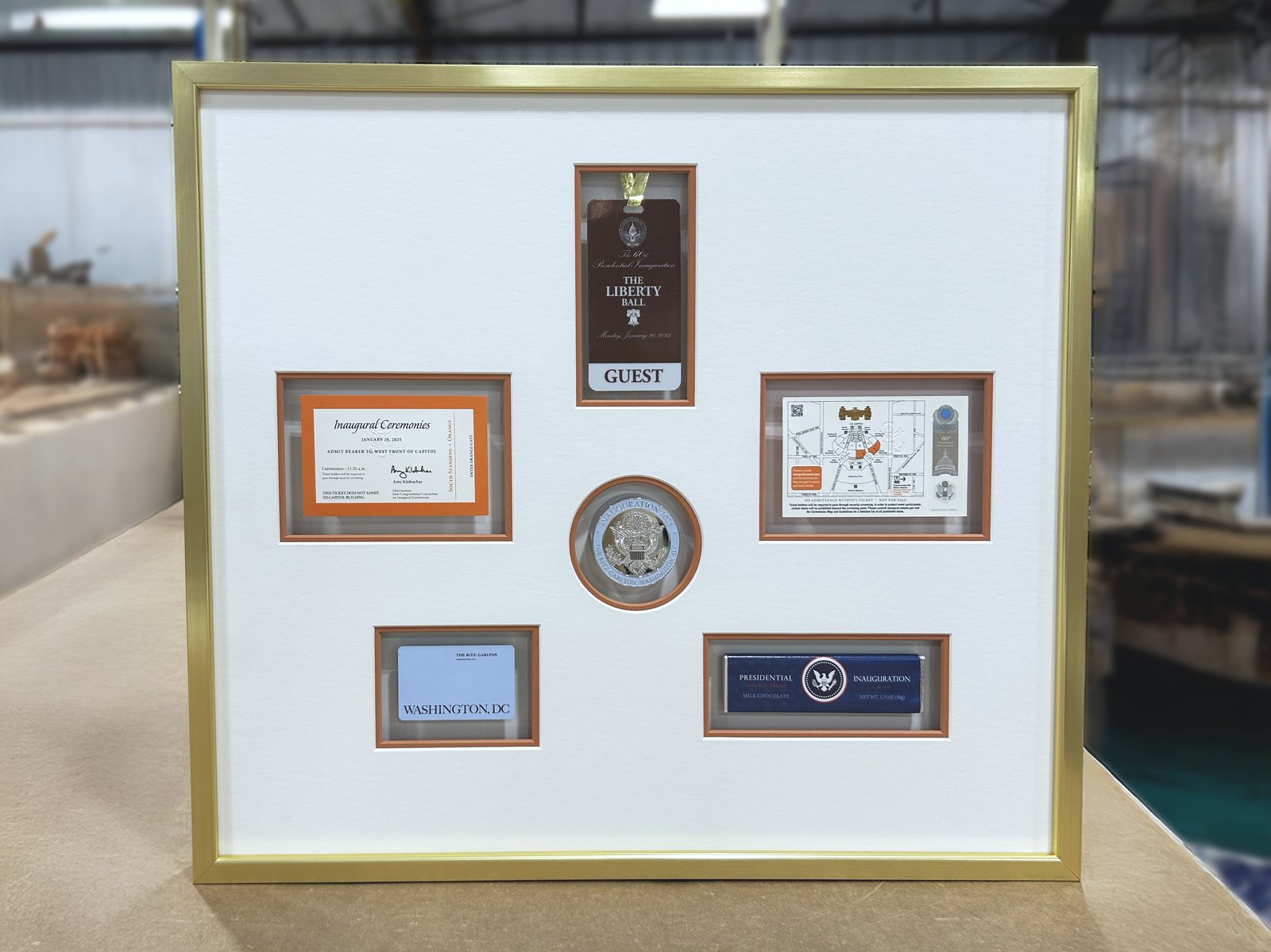
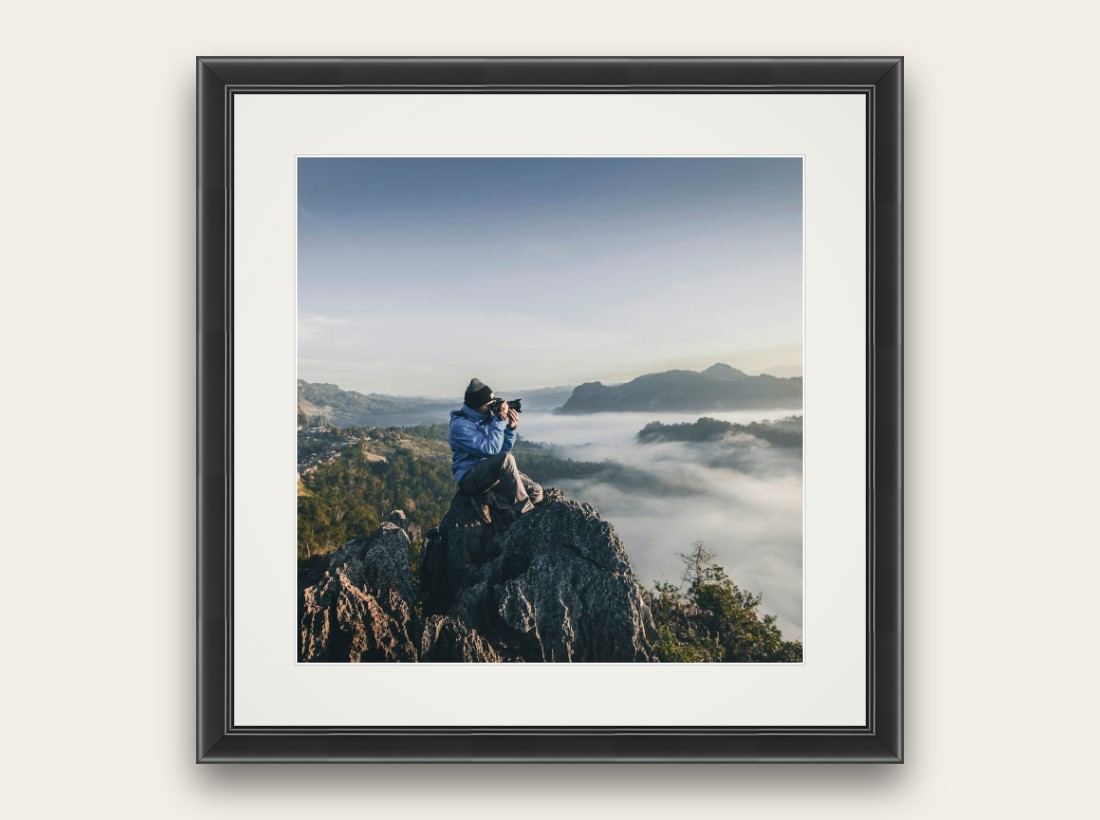
When we face-mount a photo behind acrylic for that deep glossy gallery look, we use TruLife acrylic — built for high-resolution print facing: UV, abrasion resistance, and an anti-reflective / anti-static face. That's a print product, not a drop-in swap for museum glass on a matted watercolor. See rigid prints and glass vs acrylic.
Ways in
Price your piece with each glass · Glass questions in the FAQ · unsure about a fragile or valuable piece? Send a photo — a framer will design it, free.
See the difference on your own art.
Upload the photo, flip between glazing options, watch the price — then decide.
Open the designer